
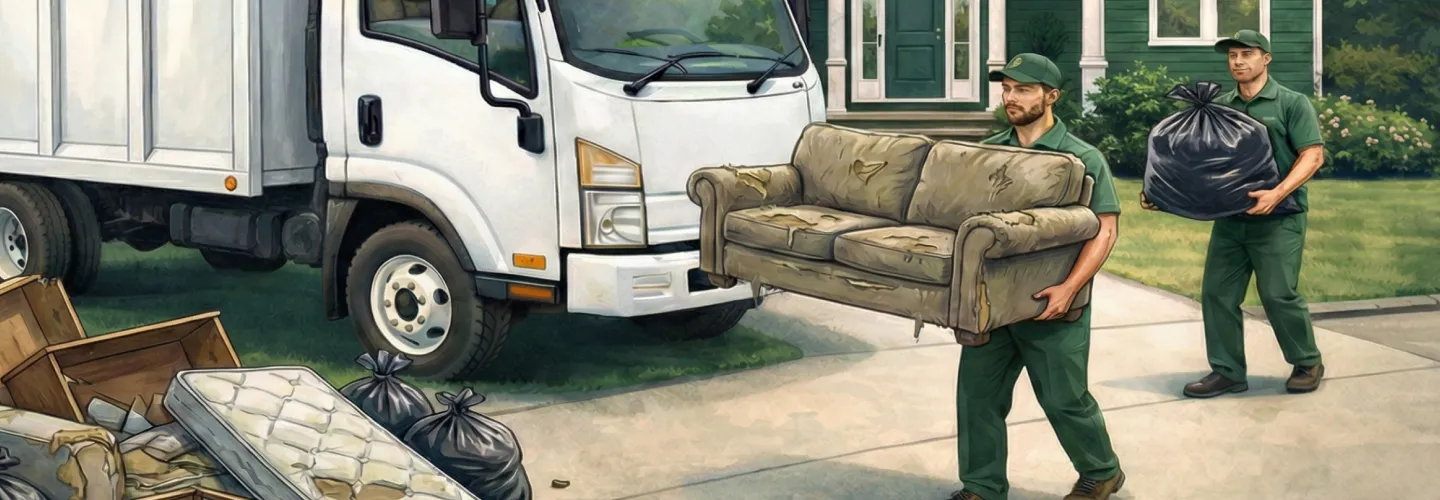
Belmont Construction Waste Management Services
Choose us for your construction waste management needs and experience hassle-free, eco-friendly disposal that keeps your project on schedule and your site compliant with all regulations.
Get a Free QuoteOur Belmont Junk Removal Services
Construction Waste Management in Belmont, MA – Local Service Guide
Effective construction waste management in Belmont, MA, is essential for maintaining clean neighborhoods and meeting local regulations. Whether you’re renovating a historic home in Payson Park, clearing out a garage in Winn Brook, or managing debris from a commercial build-out near Belmont Center, understanding your disposal options is key. Residential items like furniture, appliances, and electronics often require special handling—seasonal cleanouts, life events, or upgrades typically trigger removal needs. Donation and recycling are encouraged, but weather and property access can affect logistics, especially during winter or in tight driveways.
For residential spaces, spring and fall cleanouts, storm debris, and yard waste cycles drive demand. Flood-prone areas near Little Pond may need more frequent pickups. Commercial projects in Cushing Square or along Trapelo Road face industry-specific requirements, such as after-hours removal or high-volume disposal. Specialty services—like dumpsters for construction debris or estate cleanouts—require advance planning, coordination, and adherence to Belmont’s local guidelines. For more on local rules and resources, visit the official Belmont city website.
Benefits of Construction Waste Management in Belmont
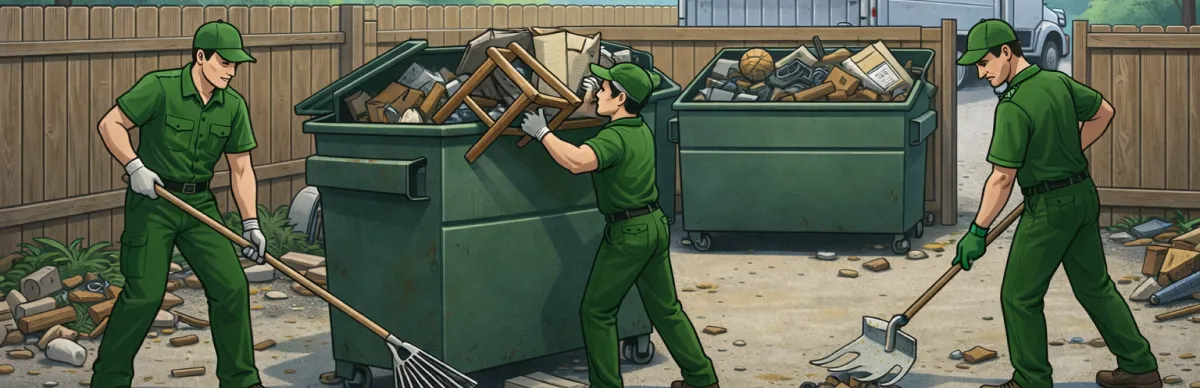
Efficient Waste Removal
Cost-Effective Solutions
Eco-Friendly Disposal
Regulatory Compliance
Improved Site Safety
Streamlined Project Timelines
Coordinating Construction Waste Disposal with Belmont’s Department of Public Works
Effective construction waste management in Belmont, MA requires close coordination with the Department of Public Works (DPW), which oversees municipal solid waste programs and enforces local disposal regulations. Construction debris, including wood, drywall, and concrete, must be separated from household waste and delivered to the Belmont Transfer Station at 1130 Concord Avenue. The facility operates Monday through Saturday, 7:00 AM to 3:00 PM, and requires a valid resident permit for access. Disposal fees are typically $35 per ton, with a $10 minimum charge. Contractors must comply with item-specific sorting requirements and may need to schedule large-volume drop-offs in advance. Prohibited materials, such as hazardous waste and certain electronics, are not accepted at the transfer station. For commercial projects, licensed haulers must register with the town and provide proof of insurance.
- Construction debris must be sorted by material type
- Transfer station access requires a resident permit or contractor registration
- Fees: $35/ton, $10 minimum
- Large loads may require advance scheduling
- Prohibited items include hazardous waste and select electronics
Department of Public Works
455 Concord Avenue, Belmont, MA 02478
Phone: (617) 993-2680
Official Website: Department of Public Works
Understanding Belmont’s Construction Waste Recycling Mandates and Landfill Bans
Belmont enforces strict recycling mandates for construction and demolition (C&D) waste, in alignment with Massachusetts state regulations. The Massachusetts Department of Environmental Protection (MassDEP) prohibits the disposal of asphalt, brick, concrete, metal, wood, and clean gypsum wallboard in landfills. All construction projects must separate these materials for recycling or reuse. Contractors are required to submit waste management plans for major renovations or demolitions, detailing how recyclable materials will be diverted from disposal. Failure to comply may result in code violations and fines ranging from $100 to $500 per incident. Residents and contractors can utilize regional recycling facilities for materials not accepted at the Belmont Transfer Station. For a full list of banned materials and recycling locations, consult the Massachusetts Department of Environmental Protection.
- Asphalt, brick, concrete, metal, wood, and wallboard must be recycled
- Waste management plans required for major projects
- Fines for non-compliance: $100–$500 per violation
- Regional recycling centers available for additional materials
- State landfill bans enforced at all disposal sites
Massachusetts Department of Environmental Protection
Boston, MA
Phone: (617) 292-5500
Official Website: Massachusetts Department of Environmental Protection
Navigating Permit and Code Enforcement Requirements for Construction Waste in Belmont
Proper handling and removal of construction waste in Belmont is subject to local permitting and code enforcement. Any project involving demolition or significant renovation must obtain a building permit from the Belmont Building Department. For waste removal, right-of-way permits may be required if trucks or equipment will occupy public streets or sidewalks. Permit applications should be submitted at least five business days in advance, and fees typically range from $50 to $150 depending on the scope and duration. Code enforcement officers may inspect sites to ensure compliance with waste separation, storage, and removal protocols. Special requirements apply in historic districts, where additional approvals may be necessary to protect community character. Violations can result in stop-work orders or fines.
- Building permits required for demolition/renovation
- Right-of-way permits for street occupancy
- Permit fees: $50–$150
- Advance application: minimum 5 business days
- Historic districts may require additional approvals
Building Department
455 Concord Avenue, Belmont, MA 02478
Phone: (617) 993-2664
Official Website: Building Department
Ensuring Safe Handling and Environmental Compliance for Hazardous Construction Materials
Construction projects in Belmont must adhere to strict safety and environmental standards, especially when handling hazardous materials such as lead paint, asbestos, or chemicals. The Massachusetts Department of Environmental Protection requires that any building constructed before 1978 be assessed for lead and asbestos prior to renovation or demolition. Licensed abatement contractors must manage removal and disposal of these materials, following EPA Lead-Safe Renovation Rule protocols. Hazardous waste, including solvents, adhesives, and treated wood, is prohibited from regular disposal and must be taken to designated hazardous waste facilities. The Belmont Health Department can provide guidance on safe practices and local collection events.
- Pre-1978 buildings require lead/asbestos assessment
- Only licensed contractors may handle hazardous materials
- Hazardous waste prohibited at transfer station
- EPA and MassDEP regulations apply
- Health Department offers disposal guidance and event schedules
Health Department
455 Concord Avenue, Belmont, MA 02478
Phone: (617) 993-2720
Official Website: Health Department
What Neighborhoods Do We Serve Throughout Belmont, MA?
- Belmont Hill: Characterized by large single-family homes and steep driveways, requiring careful truck access and attention to property protection during debris removal.
- Waverley Square: Features a mix of older multi-family buildings and commercial properties; narrow streets and limited parking may necessitate special permits for waste removal vehicles.
- Cushing Square: Dense residential and retail area with frequent renovations; coordination with local businesses and adherence to loading zone restrictions are essential.
- Winn Brook: Predominantly residential with moderate street widths; projects often involve older homes, increasing the likelihood of lead or asbestos hazards.
- Payson Park: Known for historic homes and tree-lined streets; additional approvals may be required for projects in designated historic zones.
- Belmont Center: Central business district with mixed-use buildings; waste removal must be scheduled to avoid peak traffic and comply with commercial waste regulations.
- Benton Square: Residential neighborhood with a mix of housing types; driveway access varies, and some properties may require rear-alley removal logistics.